How to choose a front door that suits your house
Find the right front doors for homes by comparing wood, steel and fiberglass materials, glass options and ENERGY STAR ratings for your climate.
 Reported by Isaiah Jernigan
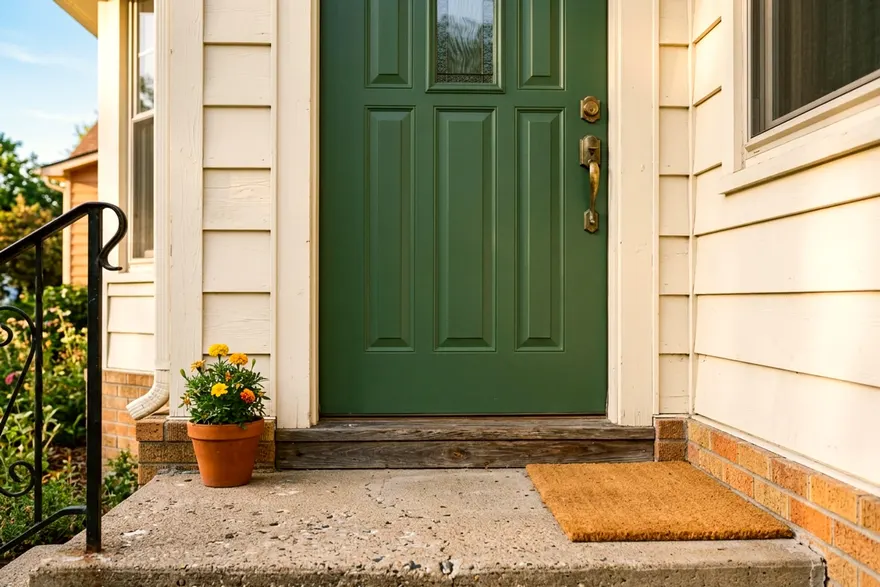
Choosing replacement front doors for homes comes down to matching the material, glass layout and energy rating to your climate and daily routine. The first step is measuring your existing frame. You then decide between the upkeep of wood, the security of steel or the durability of fiberglass.
Measure the opening and note which way it swings
The door frame dictates what size slab you buy. Start by measuring the width and height of the existing door. Older houses often have narrower frames.
To get the true size of the hole in your wall, measure the rough opening. Pry off the interior trim casing around the door. Measure the width from the left wood stud to the right stud. Measure the height from the floor straight up to the framing header.
The door jamb depth also matters. The jamb is the frame the door hinges attach to. Measure from the inside edge of the jamb to the outside edge. Jamb depth varies based on how thick your house walls are.
The swing direction is the final detail. Stand outside on your front walk and pull the door toward you for an outswing. Pushing the door into the house makes it an inswing.
Notice where the hinges sit. Hinges on your right side mean you need a right hand door. Write these details down before you shop.
Types of front doors and how they wear
Manufacturers build exterior doors from three main materials. Each handles sun, rain and daily use differently.
Wood doors
A solid wood door feels heavy and looks natural. Oak, mahogany, knotty alder and pine are common choices. Wood has a classic appeal that suits historic houses well. It requires regular work to stay sound.
Wood expands and contracts with humidity changes. It absorbs moisture if the finish breaks down. Refinishing the surface on a regular schedule helps prevent rot and warping, so follow your door maker's finish instructions. A porch roof helps protect wood from direct rain and baking sun.
Steel doors
Steel is often chosen for security. The metal skin wraps around an insulated foam core. Steel does not warp, rot or crack like wood does. Its rigid skin resists forcing better than a hollow door.
The metal skin can dent if a stray baseball hits it. Scratches that gouge through the paint will rust if left bare. Touch up bare spots quickly with exterior paint. A steel door can feel hot to the touch in direct summer sun.
Fiberglass doors
Fiberglass resists dents, rust and rot. It handles heat and cold well and resists swelling. A fiberglass door features a hard composite shell over an insulated core. You can buy fiberglass smooth for a painted finish or with a molded grain pattern that takes wood stain.
A fiberglass front door with sidelights makes a solid choice because the rigid material supports heavy glass panels without sagging over time. The surface cleans up easily with mild soap and a sponge. A fiberglass door often costs more upfront than steel, so compare prices and warranties.
How much glass you want and what it means for privacy
Glass lets natural light into the entryway and brightens a dark hall. You can buy a solid door with no glass at all. Other options include a small window at the top, a half-glass design, or a full glass door.
More glass means less privacy. Consider who can see through the glass from the street or the porch step. Clear glass gives delivery drivers a clear view straight into your house. Frosted, seeded or heavily textured glass blocks the view while letting daylight pass through.
Built-in mini blinds offer another option. These sit sealed between two panes of glass. A small slider on the edge of the window frame controls the slats. They never need dusting.
Extra windows bring in maximum light. You can add sidelights to the left and right of the frame. A transom window above the door adds light without sacrificing privacy. Adding these extra windows requires cutting a wider or taller rough opening in your wall framing.
Match the door style to the house
The front door should fit the architecture of your house. A Victorian home looks right with an ornate wood door and decorative glass panels. A Craftsman bungalow calls for a flat panel door with a small dentil shelf and square glass panes. A mid-century house benefits from clean lines and simple geometric shapes.
Paint color plays a big part in the look. A bright red or yellow door draws the eye from the street. A charcoal or navy door looks formal and neat. Browse modern front door ideas to see how a bold color updates a plain exterior.
The other finishes on the outside of your house matter too. The door should coordinate with the siding, the roof shingles and the trim. Hold paint chips up against your siding to see how the tones look in the daylight.
Read the ENERGY STAR and NFRC labels
Your front door helps keep the weather outside. A well built door blocks drafts and limits heat transfer through the slab.
ENERGY STAR says every certified window, door and skylight is independently certified and verified. Physical labels on the glass tell you how the product performs. When buying a door off the shelf, ENERGY STAR says to look for its label for your climate zone next to the NFRC label.
The National Fenestration Rating Council prints a white label with specific performance numbers. Look at the U factor first. This measures how well the door keeps heat from escaping. A lower number means better insulation.
ENERGY STAR says doors must meet U factor and, where it applies, SHGC requirements based on how much glass they have. SHGC stands for Solar Heat Gain Coefficient. It measures how much solar heat the glass lets into the house. A lower SHGC helps keep a sunny room cool in August.
A solid door with no glass lacks an SHGC rating. Upgrading an old, drafty entry point can improve comfort. ENERGY STAR estimates certified windows, doors and skylights together can cut heating and cooling bills by an average of up to 13%, with the biggest savings coming from replacing single-pane windows.
Pick hardware and finish together
The handle, locks and hinges complete the door. You usually buy a handleset and a deadbolt separately from the door itself. A mortise lock sets into a deep pocket cut into the door edge. A standard tubular lock fits through two round holes bored straight through the face.
Match the metal finish to your exterior light fixtures and house numbers. Matte black hardware stands out sharply against a white or light colored door. Satin nickel or brushed brass offers a softer, traditional shine.
Bronze hardware works well on stained wood or dark green paint. The hinges must match the handleset. A prehung door comes with hinges already attached.
Ask the building supply desk to swap standard brass hinges for black or nickel ones before delivery. Replacing hinges later takes time and leaves old screw holes in the frame.
Finishing your door before installation
A bare wood or unfinished fiberglass door requires paint or stain before exposure to the weather. Painting a door while it lies flat on a pair of sawhorses in the garage prevents drips and runs. The flat position lets you reach every edge easily.
Wipe the surface clean with a damp rag. Apply a coat of exterior primer if the door lacks a factory prime coat. Brush or roll on two coats of exterior paint once the primer dries. Give the paint plenty of time to cure before you hang the door.
Wet paint sticks to the weatherstripping and peels right off the slab. A wood grain fiberglass door requires a gel stain kit. Gel stain sits on top of the fiberglass and sinks into the molded grain texture. Brush it on and wipe the excess off with a rag.
A clear ultraviolet protective topcoat goes on after the stain dries to keep the sun from fading the color.
Consider adding a storm door
A storm door is a second outer door that protects your main entry door. It takes the beating from heavy rain, snow and direct sun.
A storm door with a glass panel adds another layer of insulation against cold winter winds. Spring weather allows you to swap the glass panel for a screen. The screen lets fresh air flow through the house while keeping bugs out. Some models have a built-in screen that pulls down from the top frame when you lower the glass.
A deep porch roof might provide enough protection on its own. A full glass storm door can also trap heat against a steel front door in direct summer sun, which can harm the paint. You have to decide if a storm door helps based on your local weather and how much you want a breeze.
When to hire a pro for installation
Replacing just the door slab requires cutting hinge mortises and boring lock holes to match the old frame. This takes precise routing and advanced carpentry skills. Most homeowners buy a prehung door instead. A prehung unit includes the door, hinges, weatherstripping and the surrounding frame assembled as one piece.
Even a prehung door is heavy and awkward. A solid wood or fiberglass door with heavy glass inserts can be very heavy, so line up a helper before you lift it. You have to pull off the interior and exterior trim. You pry out the old frame and set the new frame into the rough opening.
The new frame must sit perfectly plumb, level and square. Wood shims help adjust the frame in the opening. The door will bind against the jamb if the frame twists even slightly. Low expansion spray foam fills the gaps to stop drafts.
The sill requires flashing to prevent water from rotting the floor joists below the threshold. Proper installation often involves framing work to repair old rot or adjust the size of the opening. Paying a professional crew helps the door hang true and lock tight, and a licensed contractor can check local code for the opening.
More from down the street
Is a storm door worth adding to your front door
A storm door protects your entry from rain and adds fresh air to your house. Learn how to choose full glass and decorative storm doors for your home.
10 modern front door ideas for a plain house front
A modern front door upgrades a plain house front with clean lines and fresh colors. Explore ten design ideas to improve your entry and welcome guests.
What is making small holes in your yard and what to do
Find out what is making small holes in yard areas by checking the size, shape and mounds, then decide how to repair the lawn and stop the digging.