What is making small holes in your yard and what to do
Find out what is making small holes in yard areas by checking the size, shape and mounds, then decide how to repair the lawn and stop the digging.
 Reported by Jolene Imhoff
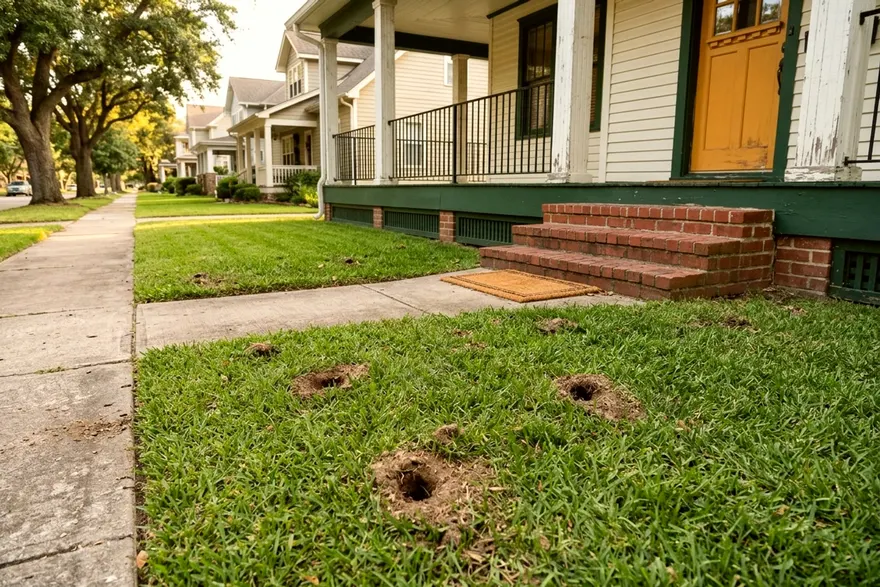
Small holes in yard grass usually mean an animal or insect is hunting for food or building a home. You can figure out what is digging by looking at the width of the hole and checking for mounds of dirt. Sometimes the best answer is to simply let the grass recover.
Look at the size, the shape and the soil
Identifying the pest starts with a close look at the ground. Grab a ruler and walk the lawn on a dry afternoon. The width of the opening is your primary clue. A tiny puncture mark tells a different story than a wide excavation.
The second detail to note is the presence of loose dirt. Some animals and insects leave a pile of excavated soil next to their exit. Other creatures leave clean edges with no trace of debris.
Pay attention to the shape of the opening. A neat round circle points to one type of pest, while a shallow cone points to another. You should also look at where the damage happens. Some pests stay out in the middle of the lawn.
Others stick to the edges of garden beds or run along a front yard fence to stay out of sight. Keep a notebook handy to record the sizes and shapes you find. Comparing your notes to common pest habits helps you choose the right response.
Small poked holes from birds
Birds frequently visit lawns in the early morning to hunt for earthworms and insects. Robins and starlings use their sharp beaks to probe the soft turf. They listen for movement under the grass and strike when they find a meal.
According to Clemson Cooperative Extension, birds leave small holes as if something was poked into the ground. These marks are distinct because the birds do not move earth out of the way. You will find no mounds or loose soil around them.
The holes are usually spread out randomly across the yard. You might notice this activity more often after a heavy rain or when the sprinklers run. The water drives worms closer to the surface. This makes them an easy target.
These tiny punctures usually do little harm to the grass. They may even aerate the soil a little. You do not need to treat the yard or fill the openings. The grass usually hides the marks on its own.
Nickel size holes from emerging insects
Spring and early summer warm the soil. This triggers insects to emerge from their underground burrows. Clemson Extension says emerging cicadas and June beetles leave nickel size holes. You might spot small mounds of loose soil next to these exits.
The holes appear when the adult bugs dig their way to the surface. Cicadas often leave their hollow, brown shells clinging to nearby trees. June beetles tend to fly around porch lights on warm evenings.
The sudden appearance of dozens of these holes can look alarming on a small lawn. The damage is mostly visual. Grass usually fills in the small gaps over time.
The adult insects soon fly off to mate and lay eggs. Treating the grass at this stage rarely helps, because the adults are already out. Your best option is to leave the holes alone and let the turf heal.
Vole runways and entrance holes
Voles are small rodents that eat plant roots, grass stems and flower bulbs. They are active all year long. Their damage often becomes obvious in the spring after the winter snow melts.
Voles create shallow paths through the grass that look like little dirt highways. These paths often connect multiple burrow openings. Clemson Extension states that vole tunnel entrances are 1 to 1 1/2 inches across with no mound of soil.
The openings are clean and round. You will usually find these holes hidden under low shrubs or near thick ground cover. The paths sometimes lead straight into the planting beds by the porch where the rodents feed on tender roots.
Voles can damage young trees by chewing the bark near the soil line. They can also harm hostas and other perennial plants from the bottom up. Clearing tall weeds may help by removing their hiding places.
Check your local wildlife rules before taking action against voles. Read product labels carefully if you decide to use a repellent or bait station.
Mole hills and tunnels
Moles live entirely underground. They swim through the soil in search of earthworms and insects. They push up large amounts of dirt as they dig their deeper feeding and nesting tunnels.
Clemson Extension notes that mole hills can be 2 to 24 inches tall and are volcano shaped. These massive piles of soil are hard to miss. Moles also dig shallow feeding tunnels just under the grass.
You will often feel the raised earth squish under your boots as you walk across the yard. The grass above these shallow tunnels can turn brown. Moles do not eat plant roots, but their digging can separate the grass roots from the soil beneath, so the turf may dry out.
Flattening the mounds is a constant chore. The tall dirt piles dull mower blades and make the yard look messy. Use a stiff rake to spread the soil out evenly over the grass. Tamping down the raised tunnels with your shoes helps the grass roots reconnect with the earth.
Check your local wildlife rules before you try to remove a mole.
Cone shaped holes from skunks and raccoons
Nighttime visitors can tear up a lawn in a single evening, and skunks and raccoons can carry rabies, so keep your distance and call a wildlife professional if one stays. Skunks and raccoons visit yards to dig for grubs sleeping just under the grass roots. Clemson Extension points out that holes dug by skunks and raccoons are typically cone shaped and 3 to 4 inches wide.
You will likely see flipped patches of turf and loose dirt scattered nearby. Skunks tend to be precise hunters. They methodically dig small, neat cones in a concentrated area to pull up individual grubs.
Raccoons often do more damage. They use their front paws to rip and roll back large chunks of grass like a carpet. The damage usually happens fast and without warning. You might wake up on a Saturday morning to find the front lawn completely torn apart.
The animals often return night after night while the food source lasts. Putting down wire mesh over the damaged area can stop them temporarily. However, mesh makes mowing very difficult. The lasting fix is to cut down the grubs that draw them.
Check for grubs before treating anything
Skunks, raccoons and moles are drawn to lawns with a high grub population. Grubs are the fat, white larvae of various beetles. They live in the soil and feed on grass roots during the spring and fall. Reducing the grubs removes the food that draws them.
You should confirm a grub problem before buying any lawn treatments. Pick a spot near the recent animal digging. Use a shovel to cut a one foot square in the grass. Peel the turf back and look at the soil.
A few grubs are normal, and the count that calls for treatment varies, so ask your local extension office what number matters in your area. Treating the yard at the wrong time of year wastes money. Grubs are easiest to kill when they are small and feeding near the surface.
Read all product labels before applying a grub killer. Follow the application rates and watering instructions exactly to help the product reach the insects. Always check local wildlife rules before applying repellents directly to the animals.
Repair the lawn once the cause is gone
Fixing the grass takes an afternoon of light work once you solve the pest problem. Start by clearing away any dead turf that is beyond saving. Use a garden rake to smooth out mounds of soil left by moles or insects.
Fill the deeper skunk and raccoon holes with a mix of topsoil and sand. Tamp the dirt down firmly with your foot so it sits level with the surrounding ground. If the hole is shallow, just press the flipped piece of turf back into place. Water it thoroughly.
Scatter fresh grass seed over the bare dirt spots. Rake the seed gently into the top layer of soil. Cover the patches with a thin layer of straw to hold moisture and hide the seed from hungry birds. Water the repaired areas every morning until the new grass sprouts.
Thick, healthy turf is a practical way to improve your curb appeal and crowd out weeds. A strong root system also recovers faster from minor insect damage. Keep up with your regular watering and mowing schedule.
More from down the street
When and how to refinish a stained wood front door
Learn when your wood stain door needs a fresh finish and follow step by step instructions to prep, stain and seal it against the weather.
How to keep porch floor boards sound year after year
Keep wood porch decking sound year after year with this practical spring routine for inspecting, cleaning, and safely sealing your front porch deck.
9 things not to store in your garage and where they belong
Find nine things in a garage you should never store there to protect your house from fire and pests, along with exact steps to safely move or discard them.