How to choose porch columns for the style of your house
Find out how to choose porch columns that match the style of your house. Learn about sizing, wood, fiberglass, and PVC wraps to improve your front porch.
 Reported by Isaiah Jernigan
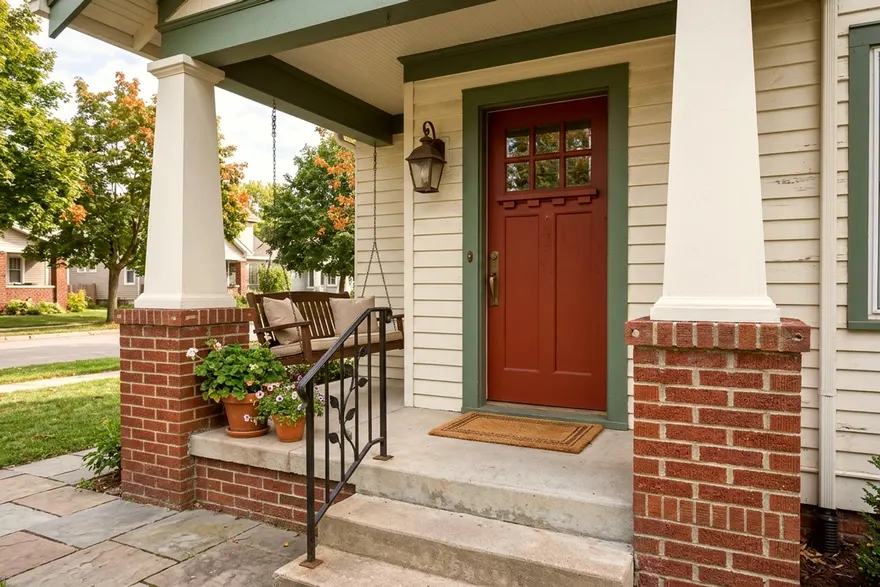
The right porch columns support your roof while matching the architectural style of your home. You can update the front of your house with new fiberglass or PVC columns or wraps. The choice depends on the shape of your roof and the width of your steps.
What a porch column does and why the size matters
A front porch column carries the weight of the porch roof down to the foundation to stop it from falling. A column also defines the face of your house. When you pull into the driveway, the columns are the first vertical lines you see. Upgrading old posts is one of the best ways to improve curb appeal.
Size matters for two reasons. The first is structural strength. A porch roof is heavy, and in snowy regions the local snow load adds to it, so ask your building department what your porch must carry. The column must be thick enough to carry that weight without bowing.
The second reason is visual balance. A column that is too thin looks flimsy, even if a builder says it will hold the weight. A tall two-story porch needs thick columns to look stable, while a small one-story porch requires much narrower ones.
If you install columns that are too thick, they block the light. They make a small porch feel crowded. You have to measure the height from the porch floor to the underside of the top beam. Write this height down before you shop.
Tapered, square, round and turned styles
The shape of your front porch columns sets the tone for the property. You can change the entire look of a house by swapping round posts for square ones.
Tapered columns are wider at the bottom and narrower at the top. They sit on heavy brick, stone or stucco pedestals that reach waist high. This style belongs on a Craftsman bungalow. The thick base gives the house a grounded, solid appearance.
Square columns are straight from top to bottom. They have flat sides and sharp corners. A plain square column fits perfectly on a modern house or a farmhouse. You might see the corners shaved flat to create an eight-sided effect builders call a chamfered edge.
Round columns bring a classic, traditional look that suits a colonial house or a formal brick home. They often come with decorative caps at the top and molded base rings at the bottom. You can buy them smooth to wash easily with a hose, or choose vertical grooves called fluting. Fluted columns catch dust but look highly formal.
Turned columns resemble the legs of a heavy wooden dining table. A lathe cuts rings and curves into the wood. They look best on an old Victorian house that already has detailed wooden trim.
Matching column width and spacing to the porch
You need to space your front porch columns so they look natural. Columns need room to breathe. The gap between them should be wider than the columns themselves.
Start your layout at the outside corners. The corner posts anchor the roof and the porch floor. Once you place the corners, divide the middle space evenly to give each post plenty of room.
Look at the front door and leave a clear path. You want the widest gap to line up directly with the door and the front stairs to guide visitors naturally up the steps. If you plan to hang a porch swing, measure the swing first. The columns must stand far enough apart to let the swing move without hitting the wood.
Remember to account for the base blocks, called plinths. The plinth is usually slightly wider than the column shaft. Leave enough room at the edge of the porch floor so the base block sits flat without hanging over the side.
Wood, fiberglass, PVC or a wrap over a plain post
You can buy front porch columns in solid wood, hollow fiberglass or PVC. Wood is the traditional material. Solid pine or cedar requires regular maintenance. You have to paint or seal the wood to stop rain from soaking in.
If you choose wood, check the rules for where the wood meets the ground. As one state's example, Minnesota's porch guide says columns and posts in contact with the ground or set in concrete or masonry must be pressure treated wood. Check your local code and building department to verify your local rules.
Fiberglass columns are hollow, and they demand precise installation. One fiberglass column maker's instructions say the load must sit centered on the column, with full contact at the bottom and 75% contact at the top.
The same maker says its fiberglass columns must never be filled with concrete, which voids the warranty, and are not designed to be set into masonry or below grade. You have to leave the hollow center empty.
PVC columns often sell as wraps, which are hollow sleeves that go around an existing wooden post. Follow the maker's steps for fitting them. The wood inside holds up the roof while the PVC outside looks like a brand new column. Wraps only suit old wooden posts that are structurally sound, so ask a licensed pro to check the post first.
Paint colors and finishes the makers allow
A new column needs the right finish to survive years of sun and rain. Bare wood columns need primer and exterior paint, so follow the paint label for coats and type.
Check the column maker's instructions on sealing the bottom end of a wood column before you stand it up. If you want to keep floor boards sound, you should inspect your column bases at the same time you check the deck paint.
Fiberglass columns can be painted, but follow the maker's limits. The same maker advises against dark colors and says spray painting is not recommended, with paint applied by brush. Use a light colored exterior paint and follow its primer and paint steps.
For PVC columns and wraps, follow the maker's finishing instructions, including which paints are allowed.
Lead paint caution in houses built before 1978
Old wood porch columns often wear a thick crust of peeling paint. Scraping away the loose chips makes a smooth surface for new paint. You have to be careful if your house is old.
The EPA's lead renovation rule covers work that disturbs paint in homes built before 1978. The rule requires anyone paid to do that work to be certified, and EPA recommends hiring a certified, trained firm. Disturbing old paint can spread lead dust, so use lead-safe practices.
Have old paint tested before you apply sandpaper or a scraper, and ask a lead-safe certified pro which test is right.
You might hire a lead-safe certified contractor, as EPA recommends, to remove the old columns. Another option is to ask a pro whether leaving the old paint alone under a wrap suits your house and a sound post.
Signs of trouble that need a contractor right away
Every April, wash away the winter dirt and inspect your porch columns. A leaning, sagging or rotted load bearing column needs a licensed contractor because it holds up the roof.
Watch for these signs of a failing porch column:
- Soft, crumbly wood at the base where the column meets the porch floor.
- A noticeable dip or sag in the gutter line directly above the post.
- Gaps at the top capital where the column meets the horizontal roof beam.
- Cracks in the brick or stone pier supporting a tapered column.
You can check the health of a wood column with a flathead screwdriver. Press the metal tip into the base of the column. Wood that feels spongy may be rotted, and a rotted base may not hold weight, so call a licensed pro.
Do not try to swap a failing load bearing column by yourself, because the porch roof is heavy. A licensed contractor will know how to support the roof while the post is replaced. That is not a weekend project.
More from down the street
11 porch decor ideas that hold up to sun and rain
Create welcoming porch decor that stands up to sun and rain all year. Find durable rugs, planters, seating and lighting that handle harsh weather.
What to plan before you build a screened in porch
Plan your new screened in porch by reviewing the placement, roofs, floors, screens, permits, and knowing when to build a 3 season porch instead.
How to hang a porch swing so it hangs safe and level
Learn how to hang a porch swing safely from solid framing with the right hardware so you can enjoy a comfortable and level seat all season long.