11 front walkway ideas that lead guests to your door
Find the right front walkway ideas to guide guests to your front door with path shapes, edging, border plants and paving materials.
 Reported by Isaiah Jernigan
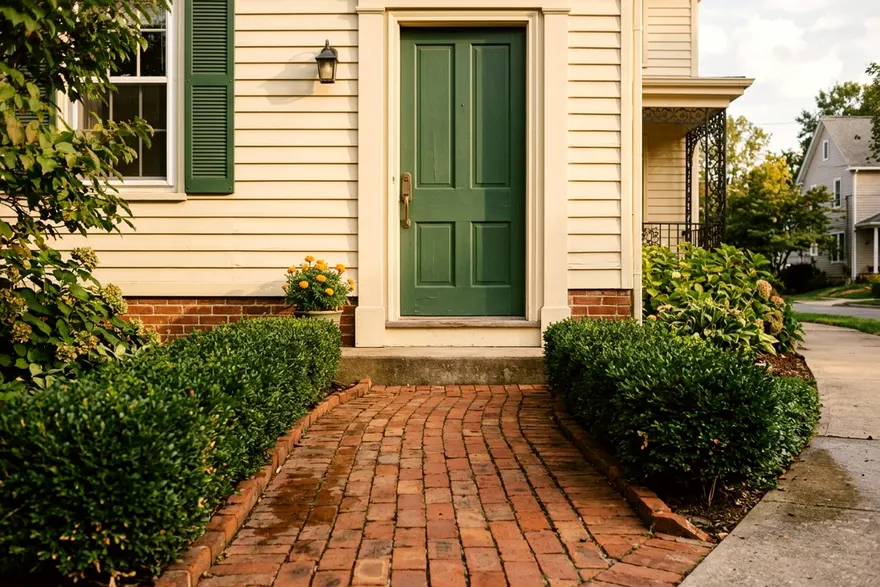
The path to your front door sets the tone for your house and guides visitors safely to the porch. A good design combines a clear route, durable materials and safe lighting. Shape a new path from scratch or upgrade the paving and planting along the walk you already have. Decide what fits the style of your siding and the slope of your front yard.
1. Find where people actually walk
Guests naturally take the shortest route from the driveway or the public sidewalk to the front step. Mud prints cutting across the grass show where a current path forces walkers into sharp turns. Track the footprints or watch how visitors approach your door to see where a new walkway truly belongs.
A path works best when it follows the natural traffic flow of the yard. Run the walk directly from the driveway edge to the porch if visitors park in the driveway. Build a path straight from the public sidewalk to the front steps if they park on the street. Forcing people to walk out of their way only encourages them to trample the lawn.
Observe the yard during a heavy rainstorm. Water runoff will pool in low spots and wash over natural walking routes. Place the walkway on high ground or grade the soil so water drains away from the path.
2. Choose between a straight line and a gentle curve
Straight paths look formal and guide the eye directly to the front door. A straight run works well for short distances and traditional homes with symmetric windows and centered doors. A straight line is also easier to lay and requires less cutting for bricks or concrete pavers.
Curving walks soften the look of a square yard and leave pockets of space for planting beds. A gentle sweep looks natural, but tight wiggles make the walk longer than it needs to be. A curve should bend around a physical object, like a large shade tree or a garden bed, rather than winding for no reason.
Keep the curves broad and sweeping. Tight corners force walkers to step off the edge and onto the grass. The shape of the path should pull the visitor gently toward the porch steps.
3. Pick brick or concrete pavers for a solid surface
Brick and concrete pavers offer a smooth, flat surface that stands up to heavy foot traffic and bad weather. Pavers fit tightly together to prevent tripping and make it easy to shovel snow. Traditional paving matches most neighborhood homes and can last many years with care.
Lay pavers in different patterns, from a simple running bond to a complex herringbone. The tight joints leave little room for weeds to grow, which cuts down on maintenance. Pavers come in shades of red, brown and gray to coordinate with your roof or siding colors.
A solid paver walk requires a deep base. The compacted gravel and sand base is hard work, but it keeps the finished surface flat when the ground freezes and thaws in winter.
4. Use gravel for a casual and flexible path
Gravel creates a soft, textured walkway that fits a cottage or rustic garden style. Crushed stone locks together better than round pea gravel, yielding a firmer surface underfoot. Stone drains water well and adapts easily to curves or uneven ground.
A loose material needs a strong border to keep the stones out of the grass. A loose path requires occasional raking to keep the gravel smooth, and a fresh top layer every few years. Avoid gravel if you regularly shovel snow, as the plow or shovel will push the stones into the yard.
Weed barriers placed under the gravel can slow unwanted plants. Seeds can still blow in from the top and take root in the dirt that gathers between the stones. A quick pass with a rake disrupts small weeds before they establish deep roots.
5. Lay stepping stones across the lawn
Large flat stones spaced a short stride apart make an inviting secondary path from the driveway to a side gate. Flagstone or large concrete slabs look natural settled right into the turf. This approach leaves most of your lawn intact and requires less digging than a solid path.
Space the center of each stone a short distance from the next to match a comfortable walking stride. Sink the stones flush with the soil so the lawnmower blade passes right over them without catching an edge. Plant creeping thyme or moss between the stones to fill the gaps and add green texture.
Stepping stones work best in flat yards where water does not gather. A steep slope makes the stones slippery, and wet spots will cause the heavy slabs to sink into the mud over time.
6. Build the path wide enough for two
A main walkway needs generous width. That gives two people enough room to walk side by side up to the porch. A wide footprint makes the house look welcoming and proportional from the curb.
Secondary paths, like a route around the side of the garage, can be narrower. Measure the full width carefully before you dig the trench. A path that looks wide in the dirt often feels narrow once you add edging and mature plants on both sides.
Take a tape measure outside and lay two hoses on the grass to test the width. Walk between them with a friend or a partner to see if your shoulders bump. Widen the hose lines until the space feels comfortable for two adults.
7. Add an edge to keep the lawn out
A crisp border separates the walkway from the soil and stops grass roots from creeping into the joints. Edging also keeps mulch from washing onto the paving during heavy rain. Install rigid plastic or metal edging just below the soil line for a clean, invisible barrier.
Line the walkway with a row of contrasting bricks or cobblestones set in concrete for a visible border. A raised edge catches the eye and highlights the shape of the path. The border also gives you a hard surface to run a string trimmer against when you cut the grass.
An edge treatment extends the life of a paved walk. The barrier holds the sand base tight under the pavers and stops the outer rows from shifting into the soft dirt.
8. Light the route for night arrivals
Path lights guide visitors safely to the door after dark and highlight the edges of the paving. Stagger the lights on opposite sides of the walk rather than lining them up like an airport runway. Space them far enough apart so the pools of light barely touch on the ground.
Choose fixtures that direct the light down toward the pavement rather than up into people's eyes. Low voltage wired systems are a common choice for steady light. Solar lights are easier to stick in the dirt, but check the product label for how they perform on cloudy days.
Keep the lights away from the very edge of the grass. A mower or a string trimmer will easily break a plastic light post placed too close to the turf. Pushing the lights into the mulch bed protects them from yard tools.
9. Plant low borders that stay off the pavement
Plants soften the hard edges of a walkway and tie the paving into the rest of the yard. Choose low growing perennials or small shrubs that stay short as they mature. Short plants leave the sightlines open so visitors can easily see the front door and the house numbers.
Read the plant tags and space the roots far enough back that the mature leaves will not spill over the walk. Shrubs that crowd the path will brush against wet legs after a rainstorm and force you into constant pruning. Planting near the porch requires the same careful spacing to keep the steps clear.
Hostas, coral bells and dwarf boxwoods make neat, predictable borders. Avoid plants that spread wildly by underground runners or drop messy berries on the stones.
10. Refresh an old concrete walk instead of replacing it
A plain concrete walkway often looks tired and stained after a few rough winters. Clean and stain the concrete for a fresh look if the slab is sound and free of deep cracks. A masonry stain penetrates the surface and adds a solid color that hides rust marks and faded spots.
Thin brick or stone pavers glue directly over the old concrete. The pavers cover the dull gray slab entirely and raise the path slightly. Make sure the higher surface will not create a tripping hazard where the walk meets the driveway or the porch steps.
Pressure wash the concrete thoroughly before applying any stain or adhesive. Dirt and old sealers stop new materials from bonding to the surface. Let the slab dry for a full day before you start the finish work.
11. Mark underground lines before you break ground
You must locate buried utility lines before you push a shovel into the front yard. Even a shallow trench for edging or scraping turf for stepping stones can hit a shallow cable or gas pipe. Calling 811 before digging is free, and having the underground lines marked costs you nothing, according to the federal pipeline safety agency PHMSA.
The national 811 number connects you to your local utility center. PHMSA says state laws require a call 48 to 72 hours before digging, and even small jobs such as planting trees or shrubs need one. The utility companies will send someone to spray paint lines on the grass so you know exactly where to avoid digging.
Respect the marks once they are painted on the lawn. Keep digging well away from the marks and ask your utility or a licensed pro how close you can dig.
Connect the walk to the front porch
The spot where the walkway meets the porch sets the final impression. Make sure the paving stops flush with the bottom step to prevent stumbles. Add a landing pad at the base of the stairs to give guests a flat place to stand if the ground slopes away from the house.
A landing pad should be at least as wide as the steps themselves. This footprint gives people room to wait while you answer the door. Build the pad from the same material as the walk or match it to the porch flooring to improve the curb appeal of the entry.
Consider the swing of a storm door if you have one. A guest standing on the top step will naturally back down to the landing pad when you open the door outward. A deep pad keeps them from stepping backward onto the grass.
Keep the path clear year round
A well designed walkway requires regular upkeep to remain safe. Sweep fallen leaves off the path in autumn so they do not turn slippery in the rain. Trim back any bushes that start to sag over the paving under the weight of snow or heavy morning dew.
Every April, check for loose pavers or sinking bricks after the ground thaws. Pull weeds from the joints before they set deep roots, and apply a fresh layer of polymeric sand to lock the blocks back in place.
Some deicers can damage concrete and soft bricks during winter storms. Check the product label for what is safe on your paving, or spread coarse sand for traction. Rinse the path with a hose in early spring to wash the winter grit into the grass.
More from down the street
Should you put a fence in your front yard
A front yard fence gives your house a clear boundary and adds curb appeal, but you need to check local height rules and HOA covenants before you build.
9 planting ideas for the bed in front of your porch
Get clear ideas for front porch landscaping that frame your house. Learn how to space plants, layer heights and pick shrubs for year-round color.
How to landscape around a mailbox without blocking delivery
Get practical ideas for mailbox landscaping that add curb appeal while following USPS rules for height, setback and clear delivery access.