Should you put a fence in your front yard
A front yard fence gives your house a clear boundary and adds curb appeal, but you need to check local height rules and HOA covenants before you build.
 Reported by Isaiah Jernigan
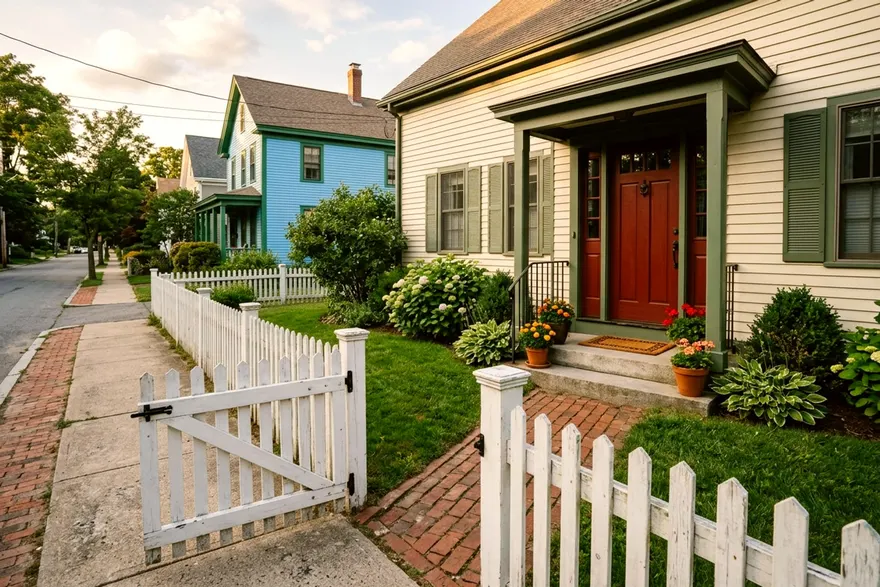
A front yard fence gives a house clear boundaries. The street ends and your private space begins at the gate. A short barrier stops stray dogs from wandering through your flower beds. It tells delivery drivers exactly where the property starts.
What a front yard fence does for your home
Many homeowners want to improve their curb appeal from the street. A front fence frames the yard like a picture frame. It ties the whole property together.
Backyard privacy fences stand tall to block the view. Front fences stay low and open. They let light and wind pass right through.
A sturdy front fence gives young children a visible border to play inside, though it does not replace supervision. It catches rolling balls before they reach the pavement. The gaps between boards or metal bars keep the yard feeling large. The house remains clearly visible from the road.
Ground flaws disappear behind a well built fence. A sloping yard looks more level when a straight fence runs across the front.
A crisp white rail draws the eye away from cracked public sidewalks. The sidewalk edge is a public space. The yard behind the gate belongs to you.
Check your HOA rules and local zoning
Your homeowners association may have the first say on exterior changes. Read the community covenants before you dig a single hole. Covenants differ from one HOA to the next.
One neighborhood might demand white vinyl pickets. Another association might ban vinyl completely.
Submit your design to the HOA board early. Include the height, color and material in your application. The review process takes time. Starting construction without an approval letter can end with a demand to tear the structure down.
Local zoning laws apply to every house. Zoning rules exist even if you do not have an HOA. Your city usually sets how close you can build to the sidewalk.
Fences usually must sit entirely on your own land. The grass next to the curb often belongs to the city. That strip holds public utilities and gives plows a place to push snow.
Corner lots often face stricter rules. Many cities require clear visibility for drivers turning the corner. A fence placed too close to an intersection creates a blind spot. Many places require a clear triangle at the corner, so ask your local building department.
Height limits and permits for front yards
Rules change across different towns. Always check your own city or county for specific building codes, and ask your local building department before you buy materials. One city's rules show the kind of detail to expect.
Shawano, Wisconsin caps fences in the front yard at 4 feet. Your own city or county may set a different limit, so treat this as one example.
Shawano requires a permit for fencing more than 20 feet long. Shorter runs may not need a permit, but ask your local building department first. Corner lots must see the building inspector for setbacks.
Finding out these details early saves you money and time.
Cities also regulate which side of the fence faces out. Shawano requires visible supports and other structural parts of a fence to face the owner's own property. The smooth, finished side usually faces the street under rules like this.
Building a fence backward may break local rules. Your neighbors get the good side, and you look at the posts.
Setbacks matter just as much as height. A setback is the empty distance from the property line to the fence. Your local building department can tell you how far back you must build.
Match the fence style and color to your house
The roof and the front door set the architectural tone for the yard. A busy Victorian house looks right behind ornate ironwork. A plain brick ranch suits a simple design.
You might already have a porch fence or a detailed porch railing. A front yard fence should echo that exact design.
Thick wooden porch columns pair beautifully with thick wooden fence posts. Thin metal porch rails call for thin metal yard fencing. Mixing heavy rustic wood in the yard with delicate metal on the porch looks disjointed.
Color choices change the whole feel of the yard. White stands out and makes green lawns look brighter. It also shows every splash of mud from the street. White requires frequent washing.
Black iron fades into the background. Dark metal lets your garden plants take center stage.
Wood left bare turns gray under the summer sun. A gray house behind a gray weathered fence looks dull. Adding a clear wood stain keeps the brown tones rich and warm. Restaining on the maker's schedule helps keep the wood solid.
Hardware should match your house numbers and mailbox. Bright brass gate hinges look out of place next to dark bronze porch lights.
Picket, iron or low post and rail designs
The right material depends on whether you want to stop a dog, protect a garden or just mark a boundary.
- A traditional picket fence uses vertical boards spaced a few inches apart to define a garden bed and stop small dogs from wandering away.
- Iron or aluminum fences offer strength with thin dark bars that provide very little visual obstruction.
- Post and rail fences use heavy horizontal timbers to give a yard a relaxed and rustic feel.
Wood pickets demand regular scraping and painting to stop rot. Vinyl pickets offer the same look but wash clean with a garden hose. Vinyl resists water damage but can crack if struck by heavy debris.
Metal works well for keeping large dogs safely inside the yard. Aluminum does not rust and needs little upkeep. Steel requires an occasional touch up with spray paint to stop small rust spots from spreading.
A split rail fence fits rural areas or houses on large lots. The wide gaps mean small pets will slip right through. Attaching dark wire mesh to the back of the rails solves the pet problem without ruining the rustic look.
Garden beds often sit right against the fence line. You might look for new planting ideas for the bed in front of your porch. A low iron or picket boundary protects those young shrubs from heavy foot traffic.
Call 811 before setting a single post
Digging post holes means pushing steel tools into the soil. Buried utility lines run directly under front lawns.
Calling 811 before digging is free. Having the underground lines marked costs you nothing. The federal pipeline safety agency PHMSA explains this national system to help prevent dangerous accidents.
PHMSA says state laws require a call 48 to 72 hours before digging. Even small jobs such as planting trees or shrubs need one. A standard fence post requires a deep hole. You never want to cut a buried fiber optic cable or strike a gas main.
Utility operators come to your house after an 811 call. They mark the location of their buried lines with flags or paint. You must dig with care around those marks.
If a painted line crosses your planned fence path, adjust your post spacing. Move the post hole away from the mark.
Hand digging near a marked utility line is the careful approach, and your state's rules say how close you may dig with machines. Hitting a line can stop your project and bring out emergency crews.
Plan the gate where people actually walk
The existing front walk tells you exactly where the gate belongs. Watch how mail carriers and friends approach the front steps. They take the absolute shortest path from the driveway to the door. Placing a gate anywhere else forces people to walk across the grass.
A good gate opens smoothly and closes firmly on its own. A wide gate leaves enough room for a person carrying heavy grocery bags.
Make the gate opening match the width of the walkway. A narrow gate on a wide concrete walk feels restrictive. A wide gate on a narrow stone path looks clumsy.
Gate posts carry extra weight and constant movement. A swinging gate pulls down hard on the hinge post. Set gate posts deeper than regular line posts, or follow the fence maker's directions.
Pouring extra concrete in the gate post hole can help keep the wood from sagging over time. A sagging gate drags on the sidewalk and ruins the hinges.
Leave a gap under the gate so it clears the sidewalk in the winter. Snow and ice build up on concrete walks. A gate set too low gets stuck on the ice.
A new fence gives you a chance to upgrade the path. You might want new walkway ideas that lead guests to your door. Aligning a fresh brick path with the new gate creates a welcoming entrance.
Install the latch at a comfortable height. Visitors should find it easy to open the gate with one hand. Heavy duty hinges keep the gate swinging true through rain and wind.
More from down the street
11 front walkway ideas that lead guests to your door
Find the right front walkway ideas to guide guests to your front door with path shapes, edging, border plants and paving materials.
9 planting ideas for the bed in front of your porch
Get clear ideas for front porch landscaping that frame your house. Learn how to space plants, layer heights and pick shrubs for year-round color.
How to landscape around a mailbox without blocking delivery
Get practical ideas for mailbox landscaping that add curb appeal while following USPS rules for height, setback and clear delivery access.