8 first home improvements worth doing in year one
Find out which first home improvement projects to tackle in year one to protect your house, cut energy bills and make daily life easier.
 Reported by Jolene Imhoff
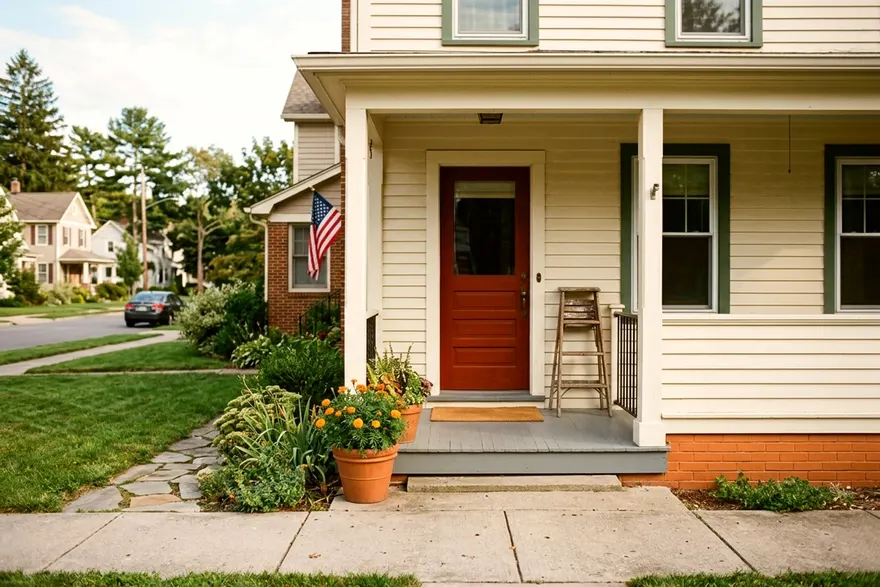
The first home improvement projects you choose should protect the property and keep your utility bills low. You already changed the locks, tested the smoke alarms and found the main water shutoff valves during your first week in the house. Now the weekend belongs to you.
Cosmetic updates are tempting, but fixing leaks and sealing drafts takes priority over a kitchen tile update. Securing the garage also comes first. Tackling these practical jobs early makes the house comfortable right away. Doing the unglamorous work in year one means you will spend less time chasing repairs later.
1. Stop water damage from leaks and drainage
Start outside by clearing the gutters and directing downspouts away from the foundation. Rainwater pooling near the base of the house can lead to basement leaks or foundation wear over time. Pull a ladder up to the roof line and clear out any leaves, twigs and dirt clogging the gutters.
Flush the empty channels with a garden hose to make sure water flows freely down the pipes. Extend those downspouts away from the exterior walls using plastic extensions or heavy splash blocks. Add topsoil to create a gentle slope away from the house so water drains properly.
Move inside and inspect the plumbing under every sink in the kitchen and bathrooms. Run the water in the sinks and watch the drain traps for slow drips. Tighten any loose slip nuts by hand and use a pipe wrench on stubborn metal fittings. Replace worn rubber washers if a bathroom faucet drips into the basin.
2. Seal air leaks and add attic insulation
Drafts around windows and doors force your heating and cooling systems to work overtime to keep the house comfortable. Grab a tube of exterior window caulk and a caulk gun to seal the gaps around your window frames. Run a continuous bead of caulk where the window trim meets the exterior siding.
Inside the house, apply new self-adhesive weatherstripping along the door frames. Replace the rubber sweep at the bottom of the front door if you can see daylight underneath it. Use expanding foam spray for larger gaps where pipes enter the exterior walls.
Once you close up the gaps you can reach on the ground floor, look up at the ceiling. Adding insulation to your attic keeps the house warm in winter and cool in summer. Add insulation over the old layer to reach the depth recommended for your area. ENERGY STAR says sealing air leaks and insulating can save up to 10% on annual energy bills.
3. Check the door between the garage and the house
The door connecting your garage to your living space matters most if a fire starts in the garage. The US Fire Administration recommends a 20-minute fire rated door that is self closing and self latching between the garage and the house.
Look for a fire rating label on the door. Open the door halfway and let it go. The hinges should swing the door completely shut, and the latch should click securely into the strike plate.
If the door lacks a label, or if it stays open when you let go, ask a licensed pro about a fire rated door that is self closing and self latching.
4. Add a heat alarm in the garage
A standard smoke detector is the wrong alarm for a garage, and one that has been silenced or disabled leaves the house unprotected.
Instead of a smoke detector, the US Fire Administration recommends a heat alarm, not a smoke alarm, in the garage. A heat alarm sounds if the temperature rises too high.
Pick a heat alarm made for garage use and install it following the manufacturer directions. Hire a licensed electrician for any hardwired model.
5. Upgrade lighting at the front door and the garage
Bright exterior lighting makes it easier to find your keys and welcomes guests on dark evenings. Swap out dim front porch bulbs for bright LED options that throw clear, even light across the front steps. Do the same for the exterior fixtures flanking the garage door.
Replace broken or badly faded fixtures completely. A licensed electrician does any new fixture wiring or electrical box replacement. Match your new lights to your house numbers and mailbox. This is one of the easiest ways to improve curb appeal before the weekend is over.
6. Add shelves and hooks in the garage before it fills up
Cardboard boxes and yard tools pile up fast on a bare concrete floor during your first few months. Give every item a specific place on the wall early to leave room for your car. Once the floor is covered in empty bins and bicycles, finding the space to build shelves becomes a frustrating chore.
Install heavy duty wire shelving or metal racks to hold plastic storage bins. The US Fire Administration advises storing oil, gasoline, paints, propane and varnishes in a shed away from the house. Mount a sturdy track system or heavy utility hooks directly into the wall studs. Use these heavy hooks to hold snow shovels and garden hoses.
Heavy hooks also support extension ladders. A pegboard mounted above a workbench organizes your hand tools. Getting your gear off the floor keeps it clear of minor water leaks. Figuring out garage organization ideas while the space is still mostly empty saves you from moving heavy boxes twice.
7. Paint one room you use every day
Fresh paint covers dark scuffs and hides patched nail holes. A new color instantly changes how a room feels. Painting a whole house takes weeks of disrupted evenings. Pick the living room or the main bedroom to start.
Wash the walls with a mild detergent to remove grease and dust. Fill small dents with spackle, sand the spots smooth and wipe the dust away. Lay down heavy canvas drop cloths over the flooring and apply painter tape to the baseboards. Cut in the edges with an angled brush.
Roll two coats of a durable eggshell or satin finish on the broad walls. Buy quality paint and a medium nap roller to get a smooth, even surface. Tackling just one room keeps the project manageable for a single weekend. It gives you a clean space to relax in while you organize the rest of the house.
8. Plan the bigger jobs on paper and hire licensed pros for them
Major updates often require building permits and deep expertise, so check with your local building department. Do not try to replace an aging roof or tear down structural walls yourself. Upgrading a central electrical panel is another major job. Trying to do these jobs yourself can lead to code violations.
Take an afternoon to inspect the house and write out a practical list of these large projects. Rank the jobs by urgency, putting a leaking roof or an outdated fuse box at the top. Call local contractors to start gathering quotes, even if you plan to wait six months to do the work.
Hiring a licensed pro for plumbing, electrical and structural work helps keep the property up to code.
More from down the street
Is a first time homeowner class worth taking
A first-time home owners class is worth taking to understand the buying process and your finances. Learn what a HUD approved course covers and costs.
What a home inspection covers for a first time buyer
A first time home buyer home inspection uncovers major issues with a house before closing. Learn what it covers, extra tests to run and how to use the report.
Final walkthrough before closing and what to test in each room
Grab your new house walkthrough checklist and test every room before closing. Learn what to bring, what to check, and how to handle missed repairs.