Is a first time homeowner class worth taking
A first-time home owners class is worth taking to understand the buying process and your finances. Learn what a HUD approved course covers and costs.
 Reported by Jolene Imhoff
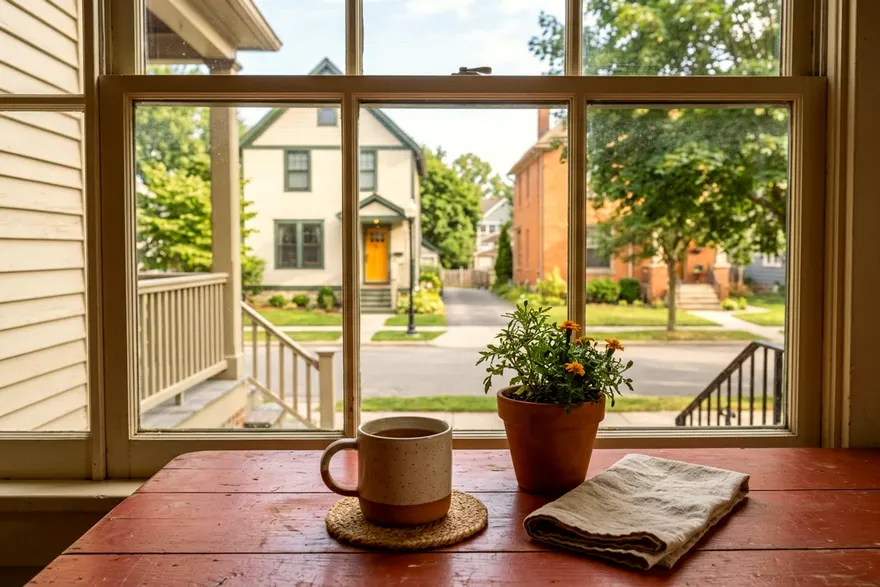
A first-time home owners class is worth your time because it can help you spot hidden costs and bad loan terms before signing a contract. These sessions show you the steps to buy a house and how to look at your own money. Local rules and lender requirements vary by state. A good class helps you work out what you can afford for a monthly payment and closing costs.
Some lenders and assistance programs may ask for a class certificate, but rules vary, so ask yours. Taking a class can help you get ready to talk to a bank.
What a homebuyer class covers and what it does not
A class typically walks you through the steps to buy a house, though content varies by agency. The instructor shows you how to check your credit and what lenders look for on an application. Teachers explain the difference between a fixed rate mortgage and an adjustable rate mortgage, and they cover the basic rules for conventional loans and government backed options. You learn what escrow means, why an appraisal matters and what to expect on signing day.
The CFPB says HUD approved counselors are trained and certified to help you assess your financial situation and can explain the homebuying process. The goal is to give you a clear view of your own money. A good class can help you avoid taking on more debt than you can handle.
A class does not guarantee you a loan. The teacher will not approve your mortgage or promise you a down payment grant, and the class is not meant to pick a house for you. The session gives you the tools to make your own decisions. It prepares you to talk to a lender with confidence.
You still have to do the work to get the house. Once you have an accepted offer, you will also need to know what a home inspection covers to protect your investment.
Group workshop or one on one counseling
Choosing between a group or a solo counselor is the first step. HUD lists pre purchase counseling and homebuyer education workshops among the services HUD approved housing counseling agencies offer.
HUD describes workshops as a general overview of housing subjects, while counseling is customized to the client's needs. A workshop is a smart place to start because sitting in a room with other buyers teaches you the basic rules of real estate. The teacher works from a set curriculum that gives a broad look at how mortgages work and what happens at closing. Workshop lengths and times vary by agency.
Counseling is a private meeting. Bringing your own pay stubs and debts to the table makes the advice personal. The counselor looks at your specific numbers. They help you build a budget that fits your actual income.
You talk about your own credit score and what you can do to fix it. If you have a complicated debt history, one on one help is better. Ask the agency how many meetings to expect.
What it costs and when fees can be waived
HUD says agencies may charge a nominal, reasonable and customary fee, must disclose fees before counseling begins, and must waive fees a client cannot afford. Agencies must disclose their fees before counseling begins.
Fees vary by agency and by service, so ask what a workshop or a counseling session costs. Ask about the price when you call to sign up.
If you have a tight budget, tell the agency right away. HUD says agencies must waive a fee you cannot afford, so ask what the agency needs from you. The goal is to get you the information you need to buy a house safely.
How to find a HUD approved agency near you
HUD approves specific agencies to offer these classes and give advice. Finding them takes just a quick phone call. HUD's line for finding a housing counseling agency is 800 569 4287.
When you call, ask for agencies near your zip code.
Make sure the agency actually has HUD approval before you sign up.
Call two or three places on the list. Ask when they hold their next workshop. Some agencies may have a waiting list, so call early. Driving a few towns over might be necessary to find a schedule that fits yours.
Questions to ask before you sign up
Call the agency and ask a few direct questions. Start by asking if the class meets the requirements for local down payment assistance programs. Some programs may ask for a certificate, and requirements vary by state and lender, so ask the program what it needs.
Ask if the teacher is a certified housing counselor. HUD says a HUD certified counselor has passed a HUD certification examination. Ask how large the group workshops are. Smaller groups leave more room for your own questions.
Find out if the agency offers follow up help. Finding a house can take months after a class. Getting a second look at a loan estimate from the bank helps catch unexpected fees. Ask if that second look costs extra.
Check if the class is in person or online. Some buyers like a classroom setting so they can talk to the teacher, while others prefer a web course they can do at night after work. Asking if the agency has counselors who speak Spanish or another language is also smart. Buying a house involves complicated terms, and you want to learn them in the language you understand best.
What to bring so the session is useful
A workshop does not require much preparation. A notebook and a pen are the only things required, as taking notes and listening to the overview fills the time. Sitting down for one on one counseling requires your own paperwork. The counselor cannot give you good advice if they do not know what you earn and what you owe.
Ask the agency what to bring, and gather these documents before your private meeting:
- Recent pay stubs to show what you earn each month.
- Recent tax returns.
- Recent bank statements for your checking and savings accounts.
- A written list of your monthly bills, like car payments and student loans.
- The current balances on all your credit cards.
Ask the agency whether it pulls your credit report or wants you to bring one. Have a rough idea of how much cash you have saved for a down payment.
Be honest about your spending. The counselor is there to help you figure out what you can afford, not to judge your grocery budget. Buying a house with a partner means both of you should attend the meeting and bring their pay stubs and debts as well. The lender will look at both of your financial records to approve a joint mortgage, so the counselor needs the full picture.
How to use what you learn
Use the class to set a monthly payment limit before you look at houses. A budget that already includes taxes and insurance makes a house at the top of your price range easier to turn down.
Shopping for a mortgage becomes much less stressful, and taking the first loan a bank offers is no longer a trap. Comparing the interest rate and the fees from three different lenders can save money. The workbook you got in class may remind you which fees are normal and which ones are too high. Ask questions if a lender charges you for something the class told you to avoid.
Buying a house takes time, and knowing the steps means there is no need to rush. Once you get the keys, you can rely on a move in checklist to get settled.
More from down the street
8 first home improvements worth doing in year one
Find out which first home improvement projects to tackle in year one to protect your house, cut energy bills and make daily life easier.
What a home inspection covers for a first time buyer
A first time home buyer home inspection uncovers major issues with a house before closing. Learn what it covers, extra tests to run and how to use the report.
Final walkthrough before closing and what to test in each room
Grab your new house walkthrough checklist and test every room before closing. Learn what to bring, what to check, and how to handle missed repairs.