What a home inspection covers for a first time buyer
A first time home buyer home inspection uncovers major issues with a house before closing. Learn what it covers, extra tests to run and how to use the report.
 Reported by Jolene Imhoff
A first time home buyer home inspection is a top-to-bottom check of the house you want to buy. A hired professional looks at the roof, foundation, plumbing and wiring to find hidden damage. Paying for this check helps you understand what you are buying before closing day.
Why the appraisal is not an inspection
Many buyers confuse the bank appraisal with a true physical inspection. They are two different steps with two entirely different goals. The appraisal protects the bank and the inspection protects you.
The Department of Housing and Urban Development states an appraisal estimates the home's value for your lender and does not replace a home inspection. The appraiser simply verifies that the house is worth the money you are borrowing. Their job is value, not condition, so they are not there to test the furnace or check the attic.
A government loan will not bail you out of a bad house. The same HUD notice says the Federal Housing Administration does not guarantee the value or condition of the home. The FHA does not perform home inspections. A home inspection only happens if you arrange one.
When to book the inspection and choose an inspector
Booking the inspector needs to happen the moment the seller accepts your offer. A standard purchase contract gives you a short window to complete all your checks. The length of that window varies, so check your contract. Getting the inspector through the door early in the window is ideal.
Finding a good inspector takes a day or two, and the inspection itself takes a few hours. The written report follows after that. The remaining days in your window are necessary to review the findings and decide your next move. Missing your deadline can mean you buy the house as it stands.
Many buyers expect every professional home inspector to carry a state license. This is not always true. The Consumer Financial Protection Bureau says that depending on your area, home inspectors may not be required to be licensed. The agency recommends you check references and your state or county licensing authority to verify their record.
Ask your real estate agent for three names. Call them and ask how long they have checked houses in your specific county. Ask for a sample report to see if it is easy to read. A thorough inspector will answer questions and encourage you to walk through the house with them.
What to do on inspection day
Clear your schedule for the entire afternoon. Being present while the inspector works is a smart move. Following the inspector around is a good way to learn how your new house works.
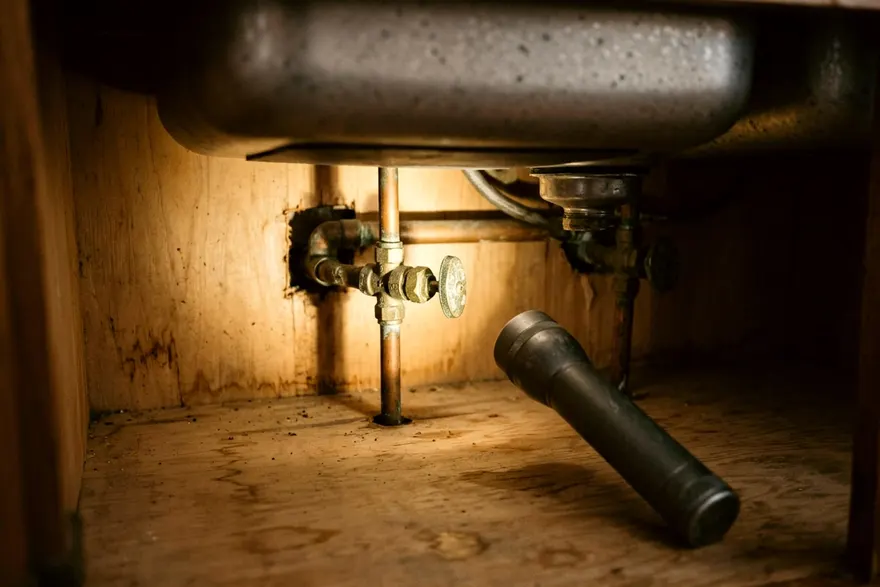
Old clothes are best for this afternoon. Bring a strong flashlight and a notebook so you can write down where the shutoff valves are. Ask questions if you do not understand how something works. The inspector may show you where the water main comes in and how to change the furnace filter.
What a general inspection looks at and what it skips
An inspector checks the permanent structures and systems of the house. They will examine:
- Roof shingles, vents, flashings, siding and gutters for weather damage.
- Foundation concrete for cracks and exterior windows for wood rot.
- Heating and cooling equipment to ensure the furnace and air conditioner cycle properly.
- Plumbing pipes, toilets, sinks and faucets for active leaks or poor drainage.
- Electrical panels, breakers, wiring and room outlets to check for safe grounding.
- Attic insulation depth, wood trusses and roof decking for signs of water stains.
When you schedule the appointment, the seller needs to clear the way to the electrical panel, the attic hatch and the furnace. If the seller blocks the panel with heavy garage storage cabinets, the inspector may skip it. You lose your chance to know if the wiring is safe. Ask your agent to remind the seller to leave these areas open.
What the inspector skips
An inspector cannot see through drywall, tear up floorboards or rip out carpet. They only report on what they can physically reach and see on that specific day. They will not move heavy furniture, rugs or boxes.
General inspectors often skip specialized systems like swimming pools, hot tubs, septic tanks or private wells. Pests and chimney flues often need a separate specialist, so ask your inspector what is left out.
Extra tests worth asking about
A standard walk-through misses hidden hazards that require lab tests. Buyers often have to request these checks and pay an extra fee.
Radon testing
Radon is an invisible radioactive gas that comes up through the soil and gets trapped inside a house. You cannot smell it or see it. The inspector or a radon tester sets up a small machine in the lowest level of the house to measure the gas.
The Environmental Protection Agency recommends fixing a home if the radon level is 4 pCi/L or more, and considering a fix between 2 and 4 pCi/L. Ask a licensed radon professional how a mitigation system would work in your house.
Lead based paint
Old paint can pose a health risk to small children if it flakes and creates dust. Under the EPA disclosure rule, for most housing built before 1978, sellers must give buyers a 10-day period to have the home checked for lead based paint.
An inspector can test the painted trim, doors and siding to see if lead is present. Testing is a smart use of your ten days if the house is older. You want to know if scraping peeling paint will require special safety steps.
Reading the report without panicking
The final inspection document can run long and include many frightening photographs. A long report is not a sign of a bad house. It often means a thorough inspector. Every house has flaws, even a brand new build.
Focus on the big problems that can be costly to fix. A cracked heat exchanger in the furnace or active water pouring through the roof are major issues. Rotted floor joists are another serious problem. Ask a licensed pro about these structural and safety defects promptly.
Minor defects are nothing to sweat over. The report will list missing outlet covers, a loose doorknob or a dripping hose bib. Make a list of these small flaws and tackle these simple weekend fixes later. Some of these jobs might even make your list of first home improvements.
Using the results to ask for repairs, a credit or to walk away
Once you understand the major issues, you have to decide what to do next. A buyer usually has three paths forward before the inspection window closes.
First, you can ask the seller to make repairs before closing day. A formal request goes to the seller listing the specific items. The seller might agree to hire a licensed plumber to fix a leaking pipe or replace a broken water heater. Verifying the work is done happens during your final walkthrough before closing.
Second, you can ask for a closing cost credit. The seller gives you a set amount of money at closing to cover the repair. Hiring your own contractor after you move in lets you choose who does the job.
Third, you can walk away entirely if a crumbling foundation or a ruined roof costs more than you can afford. If your purchase contract is contingent on a satisfactory inspection, the CFPB says you can cancel the sale without penalty if you are not satisfied with the results. Canceling without penalty lets you start shopping for a different house. A bad inspection report might break your heart for a weekend, but walking away can spare you a costly mistake.
More from down the street
8 first home improvements worth doing in year one
Find out which first home improvement projects to tackle in year one to protect your house, cut energy bills and make daily life easier.
Is a first time homeowner class worth taking
A first-time home owners class is worth taking to understand the buying process and your finances. Learn what a HUD approved course covers and costs.
Final walkthrough before closing and what to test in each room
Grab your new house walkthrough checklist and test every room before closing. Learn what to bring, what to check, and how to handle missed repairs.