How to choose garage storage cabinets that last
Find the right garage storage cabinets to organize your tools and gear. Learn how to measure your space, choose materials and anchor heavy duty units safely.
 Reported by Jolene Imhoff
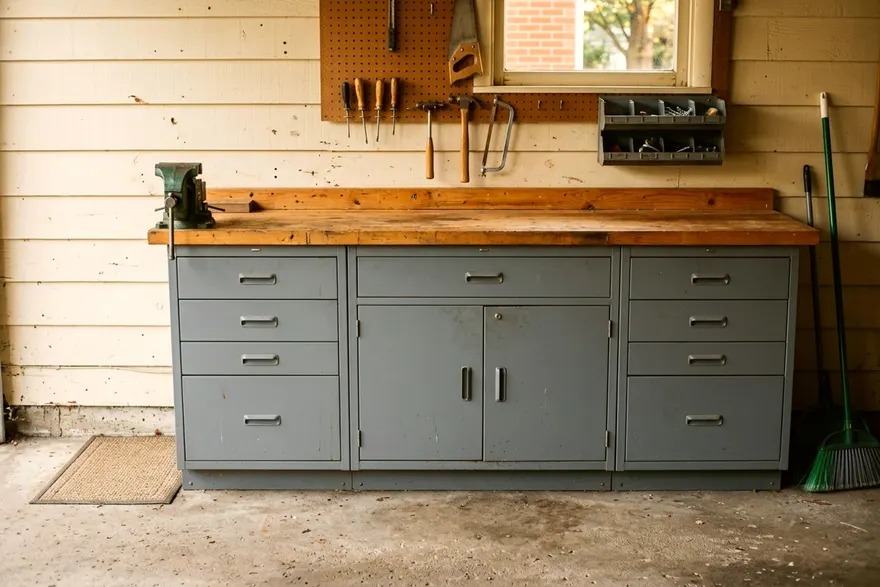
Choosing garage storage cabinets starts with the tape measure. Park your cars in their usual spots and measure the wall space left over. Good units keep tools dry and keep dangerous fluids out of reach. Matching the material to your local weather helps those shelves hold up for years.
Measure the walls with the cars parked
Grab a notepad before you shop for storage. Getting the dimensions right stops you from buying a cabinet that blocks the car doors.
- Park your car inside and open the doors to their normal stopping point.
- Walk the space and check for enough room to move between the open car door and the wall.
- Mark the floor with painters tape where the front edge of the cabinet will sit.
- Measure from the tape back to the drywall to find your maximum cabinet depth.
Heavy duty garage cabinets stick out further than standard wall units.
Height matters just as much as depth. Look at the ceiling above the planned storage area. Garage door tracks and automatic opener motors hang down and block tall cabinets. Measure the height of the concrete foundation wall if your garage has one.
Many wood frame walls sit on a concrete curb. Floor cabinets must clear this curb or sit flush against it. Find the distance from the floor to the lowest hanging pipe or wire.
Make a list of the things sticking out of the wall. Light switches and power outlets need to stay accessible. Baseboards stop a cabinet from sitting tight against the drywall.
Note the location of the central vacuum unit or electrical panel. Keep the area in front of the panel open, and ask a licensed electrician or your local building department what clearance it needs. Map out these obstacles on a piece of paper before buying anything.
Match cabinet materials to the dampness of your garage
Wood composites warp when they sit in water. Puddles from melting snow or heavy rain soak right into the bottom of medium density fiberboard. Garage tool cabinets made of wood products work best in dry climates.
Wood also fits nicely in a climate controlled garage where humidity stays low. Painted wood gives a clean look and takes a screw easily. Keep the bottom edges off the wet concrete.
Plastic resin cabinets resist water entirely. Hose down the floor without worrying about rot. Plastic boxes cost less and go together fast. The pieces snap into place with minimal tools.
The plastic does sag under the weight of heavy metal parts. Sun pouring through a garage window can also fade colored plastic over time. Use resin cabinets for light gardening supplies and car washing gear.
Steel handles moisture well if the powder coating stays intact. A hard powder coat resists scratches better than regular paint. Scratches expose the bare metal to rust and eventually ruin the door.
Stainless steel fights corrosion best but comes with a high price tag. Welded steel arrives fully built and holds serious weight. Thin sheet steel ships flat and requires you to bolt it all together.
Make sure the legs on steel cabinets lift the bottom box off the concrete floor. This air gap prevents rust from trapped moisture.
Choose between wall-mounted and floor standing designs
Floor standing units take the heavy loads. Cases of motor oil and heavy cast iron tools belong in these bottom cabinets. The feet rest right on the concrete and transfer the weight down.
Adjust the leveling legs to keep the cabinet square on a sloped garage floor. A slanted floor makes cabinet doors hang crooked and rub together. Twisting the threaded legs fixes this problem fast.
Wall-mounted boxes keep items off the ground entirely. Getting gear off the floor makes sweeping the garage simple. Spiders and mice find fewer places to hide behind empty space.
Securing a heavy metal box to wood studs takes patience and a strong helper. You have to lift the cabinet and hold it level while driving the lag screws. These upper cabinets work great for light supplies and spray cans.
Use both types together for the most useful storage layout. Tall pantry style cabinets stand on the floor to hold long items like rakes and brooms. Shorter floor cabinets give you a flat surface to use as a workbench.
Put wall boxes above that work surface to hold small hardware. You can find more garage organization ideas to make the whole room work better.
Pick drawers for small tools and doors for large gear
Garage storage drawers make hand tools easy to find and grab. Wrench sets and screwdrivers get lost at the bottom of deep bins. A drawer pulls out to show everything in a single flat layer.
Look for solid ball bearing drawer slides. These metal slides roll smooth even when packed with heavy tools. Cheap friction slides catch and jam under heavy loads.
Match the tool size to the drawer depth. Shallow drawers hold standard wrenches without wasting space above them. Deep drawers fit bulky power tools and circular saws.
Line the bottom of each drawer with a rubber mat. The mat keeps tools from sliding to the back when you pull the handle.
Cabinet doors hide large plastic bins and bulky garden hoses. Big empty boxes give you flexible space to stack supplies. Adjustable shelves inside those doors let you change the layout over time.
Move the shelf up to fit a tall wet vac. Drop it down to hold shallow trays of hardware. Steel shelves usually carry more weight than plastic ones. Check the load rating on the box before stacking heavy engine parts on a middle shelf.
A good setup blends both styles. Put a bank of drawers at waist height. Flank the drawers with large doors above and below. You might also want to look at how to set up a garage workbench alongside your new cabinets to give yourself a spot for repairs.
Lock up paint thinners and expensive power tools
Check each product label for storage directions, and keep chemicals where small children cannot reach them.
Most heavy duty garage cabinets include a simple key lock built into the door. Turn the key and steel rods slide behind the metal frame. This simple mechanism secures both doors at once and helps keep kids out.
High value items need sturdy locks too. Air compressors and cordless drills walk away easily if the garage door stays open on a Saturday afternoon.
A locked metal cabinet slows down a casual thief looking for a quick grab. The lock will not stop a determined break in.
Plastic cabinets often use a plastic loop to hold a padlock. These loops can break with a firm pull on the door handle. Choose solid steel cabinets with integrated locks if real security is a priority.
Group all the hazardous liquids in one secure spot away from the tools. Check a list of things not to store in your garage to see what chemicals belong outside entirely. Paint and propane tanks often need special handling.
Anchor tall storage units to wood wall studs
Tall metal cabinets can pull forward when you open heavy doors. Loading the top shelves with heavy boxes makes the unit dangerously top heavy. An uneven concrete floor adds to the risk of falling.
The CPSC's Anchor It campaign says anchoring furniture with drawers, doors and shelves to the wall prevents tip over injuries and deaths.
Find the solid wood studs in the wall behind the cabinet. Drive structural screws through the cabinet back directly into the center of the wood stud.
Drywall anchors alone may not hold a loaded steel cabinet, so follow the cabinet maker's anchoring instructions. Mark the stud locations with a pencil before pushing the tall cabinet into place.
Concrete block walls call for masonry anchors, so follow the anchor maker's instructions or ask a licensed pro.
Tie multiple cabinets together with steel bolts through the side walls. Fastening the individual boxes to each other creates one wide rigid unit that resists tipping. Always put the heaviest items on the very bottom shelf to lower the center of gravity.
Keep paper and cardboard far from hot appliances
Water heaters and gas furnaces often share the garage with your cars. These appliances cycle on and off all day and night.
The US Fire Administration says to keep items that can burn on shelves away from garage appliances. Spare paper towels and old cardboard boxes can burn, so keep them well back from any heat source.
Keep wood scraps on the opposite wall, and check the product label for how to store oily rags. Keep shelving and anything that can burn well back from any open flame or heating element.
Check the appliance manual for the exact clearance required by the manufacturer. Some units need plenty of empty space to breathe.
Vents and exhaust pipes can get hot when the furnace runs, so keep plastic cabinets away from them.
The US Fire Administration also says to store oil, gasoline, paints, propane and varnishes in a shed away from your home, so keep them well away from the water heater.
More from down the street
9 things not to store in your garage and where they belong
Find nine things in a garage you should never store there to protect your house from fire and pests, along with exact steps to safely move or discard them.
How to set up a garage workbench that fits your projects
Set up a garage workbench that fits your space and projects with the right dimensions, a tough work surface, bright lighting and safe power access.
14 garage organization ideas that fit the car back in
Get your parking spot back with these practical garage organization ideas that help you clear the floor, sort your tools and claim the space.